Interior Design Tips

What Happens Behind the Scenes of an Interior Design Project?

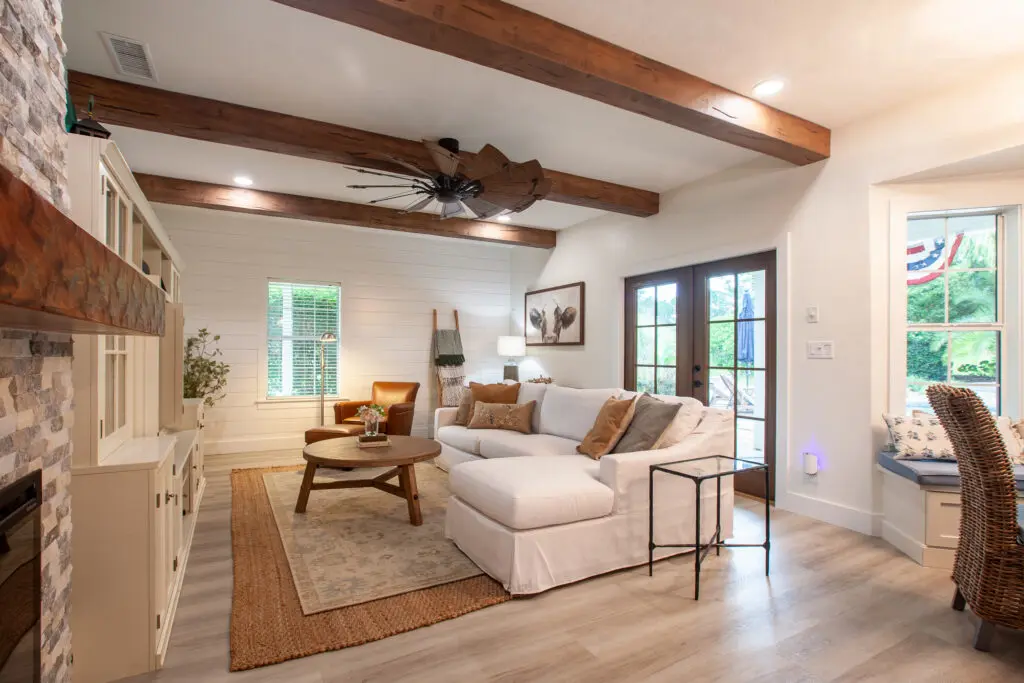
Understanding the Time, Expertise, and Coordination Behind Every Beautiful Space One of the biggest misconceptions about interior design is that designers simply select furniture and place orders. While selecting beautiful furnishings is certainly part of the job, there is a tremendous amount of work happening behind the scenes that clients never see. From concept development and space planning to ordering, receiving, and installation, every project requires careful attention to detail to ensure the final result is both beautiful and functional. The Design Board Process At Kaelyn Schmidt Design, we provide design boards with two revisions included. After our initial consultation, we spend time understanding how our clients live, their personal style, and their goals for the space. Our objective is to create a design that feels like an authentic reflection of the homeowner while also maximizing the functionality of the room. Fortunately, we often get very close with our initial presentation. Most revisions involve minor adjustments such as changing a chair, lamp, rug, or piece of artwork. Interestingly, artwork tends to generate the most discussion because it is often the most personal element in a room. I wish I could say design boards come together quickly, but they take far more time than most people realize and honestly, more time than I typically estimate. Why Design Takes Time The challenge isn’t finding furniture. The challenge is finding the right furniture. As designers, we often develop a vision for a space long before the client sees the first presentation. We spend hours searching through vendors, comparing dimensions, finishes, fabrics, lead times, and pricing to find pieces that fit both the design and the room itself. Sometimes we find the perfect piece, present it excitedly, and the client asks to see more options. That’s completely understandable, after all, these are significant investments. What often happens, however, is that after presenting multiple additional options, the client ultimately chooses the original selection. There’s a reason for that. The initial recommendation was likely the result of reviewing dozens, if not hundreds, of possibilities before arriving at the one option that best fit the space, the budget, and the overall design vision. The Importance of Space Planning One of the most valuable services a designer provides is space planning. Clients often come to us with specific requests. For example, someone may want a 120-inch sectional because it looked great in another home or in a showroom. Before recommending alternatives, we have typically already drawn that sectional into the floor plan and confirmed whether it fits. If we suggest a sofa and two chairs instead, it is not because we ignored the request. It is because we have already tested the layout and know the sectional would overwhelm the room, restrict traffic flow, or simply not fit. Our goal is to prevent clients from falling in love with a piece that won’t function properly in the space. Beautiful design starts with proper planning. The Ordering Process Once the design is finalized, the next phase begins: ordering and procurement. This portion of the project is billed separately because it involves an entirely different set of responsibilities. Although we already know which products are being ordered, every item must be purchased, tracked, and managed. Most projects involve multiple vendors, each with different ordering systems, lead times, shipping methods, and customer service processes. After orders are placed, we monitor them closely to ensure they remain on schedule and arrive when expected. Receiving and Inspecting The work doesn’t stop when products arrive. Every item is received, unpacked, inspected, and documented for damage. Unfortunately, shipping damage is common within the furniture industry. When damage occurs, we coordinate directly with the vendor to determine the best solution. Depending on the manufacturer, that could involve: Scheduling a repair technician Requesting replacement parts Reordering the item entirely Packaging and returning the damaged product Each of these scenarios requires additional coordination, communication, and follow-up to ensure the client ultimately receives a flawless product. In the meantime, we store, organize, and label every item until installation day. Installation Day Installation is often the most exciting part of the project and one of the most labor-intensive. We coordinate professional movers, installers, handymen, and other trades to ensure everything arrives and is placed correctly. Artwork is hung, drapery is installed, furniture is assembled, and accessories are carefully styled throughout the space. Even the finishing touches require preparation. Bedding is cleaned and steamed before installation so beds can be fully dressed and photographed. Decorative accessories are arranged and adjusted until every detail feels intentional. What appears effortless in the final reveal is often the result of months of planning, coordination, and problem-solving. Final Thoughts A beautifully designed home doesn’t happen by accident. Behind every finished room are countless hours of planning, sourcing, measuring, ordering, tracking, inspecting, coordinating, and styling. While homeowners often see the final furniture selections and accessories, they rarely see the hundreds of decisions that happen behind the scenes to ensure everything fits, functions properly, arrives on time, and creates a cohesive design. Interior design is about much more than selecting products. It’s about understanding how people live, solving problems before they happen, and creating spaces that are both beautiful and practical. Our job is to manage the details so our clients can enjoy the transformation. When you hire an interior designer, you’re not simply paying for furniture selections, you’re investing in expertise, experience, and a process designed to make your home look and feel its very best.

What Happens Behind the Scenes of an Interior Design Project? Read More »

Kaelyn Schmidt Design

Budget Renovation Ideas: How to Transform Your Kitchen Without Overspending

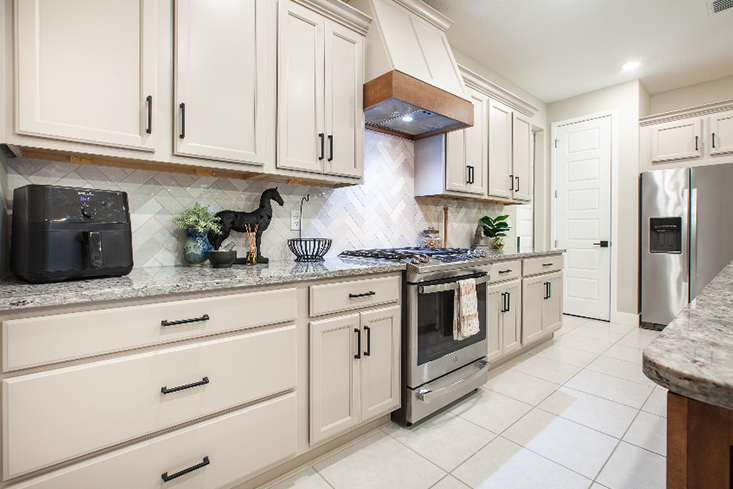
Renovating your kitchen doesn’t have to drain your bank account. With some strategic upgrades, you can breathe new life into your space while keeping costs in check. Here’s how to tackle a kitchen refresh that looks expensive —without the hefty price tag. 1. Paint Existing Cabinets and Update Hardware Instead of replacing cabinets, give them a fresh coat of paint. Choose a modern, neutral color or something bold to make a statement. New cabinet hardware —like matte black pulls or brushed brass knobs —instantly upgrades the overall look. 2. Add Additional Cabinet Pieces Need more storage or a better layout? Instead of a full remodel, consider adding a few new cabinet units that match or complement your existing ones. It’s a cost-effective way to increase function without a full tear-out. 3. Swap Out Countertops, Fixtures, and Lighting Changing outdated countertops can dramatically change the feel of your kitchen. New plumbing fixtures and lighting —especially statement pendants or sconces —add style and polish. 4. Personalize with a Backsplash A new backsplash can bring color, texture, and personality to your kitchen. From classic subway tileto bold patterns, it’s an easy way to refresh your style without major construction. 5. Replace the Range Hood If you have a standard stainless steel hood, swapping it for a custom wood-style hood that matches your cabinetry instantly elevates the kitchen’s design, making it feel custom and high-end. 6. Accessorize Thoughtfully Don’t underestimate the power of decor. Stylish bar stools, layered rugs, framed art, and beautiful kitchenware can add personality and warmth without major spending. Final Thoughts A beautiful kitchen renovation is possible on a budget —it’s all about smart choices and thoughtful updates. Focus on high-impact changes that make the space feel fresh, functional, and uniquely yours. Frequently Asked Questions What is the cheapest way to update kitchen cabinets? Painting existing cabinets is one of the most affordable updates. A fresh coat in a modern, neutral color — combined with new hardware like matte black pulls or brushed brass knobs — can completely transform the look without the cost of full replacement. Can I renovate my kitchen on a small budget? Yes. High-impact, low-cost changes include painting cabinets, swapping out hardware, adding a backsplash, and updating lighting fixtures. Focusing on these strategic upgrades lets you refresh the space without a full remodel. Does a new backsplash add value to a kitchen? A backsplash adds both style and personality to your kitchen. From classic subway tile to bold patterns, it’s a relatively simple update that refreshes the space without major construction. How do I make my kitchen look more expensive on a budget? Focus on high-impact details: paint your cabinets, update the hardware, replace the range hood with a custom wood-style hood, add statement pendant lighting, and accessorize thoughtfully with bar stools and layered rugs. Painting existing cabinets is one of the most affordable updates. A fresh coat in a modern, neutral color — combined with new hardware like matte black pulls or brushed brass knobs — can completely transform the look without the cost of full replacement. Yes. High-impact, low-cost changes include painting cabinets, swapping out hardware, adding a backsplash, and updating lighting fixtures. Focusing on these strategic upgrades lets you refresh the space without a full remodel. A backsplash adds both style and personality to your kitchen. From classic subway tile to bold patterns, it’s a relatively simple update that refreshes the space without major construction. Focus on high-impact details: paint your cabinets, update the hardware, replace the range hood with a custom wood-style hood, add statement pendant lighting, and accessorize thoughtfully with bar stools and layered rugs.

Budget Renovation Ideas: How to Transform Your Kitchen Without Overspending Read More »

Kaelyn Schmidt Design

How to Personalize Your Home: Easy Interior Updates That Reflect You

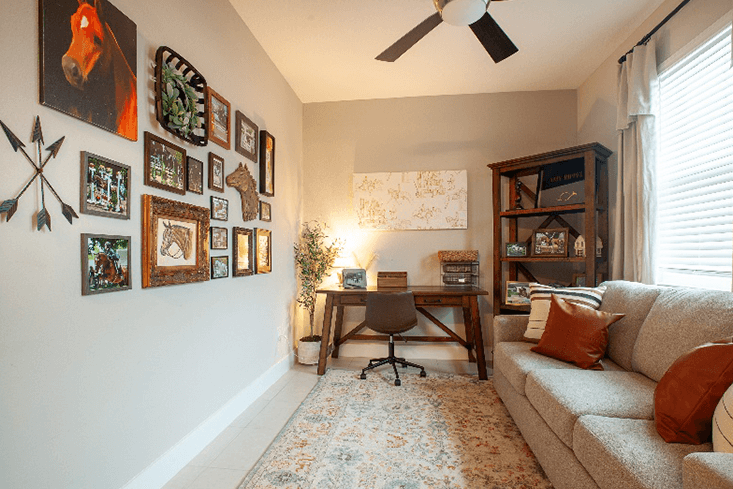
Your home should feel like you —a space that tells your story and makes you feel completely at ease. Luckily, personalizing your home doesn’t require a full remodel or a big budget. A few thoughtful updates can transform any space into a true reflection of your style, passions, and experiences. 1. Showcase What You Love Start by displaying meaningful items: travel souvenirs, family heirlooms, favorite books, or personal artwork. Curating shelves or a gallery wall withthings that matter to you immediately makes a home feel lived-in and uniquely yours. 2. Play with Color Paint is one of the easiest ways to personalize a space. Whether it’s a bold accent wall, a muted earthy tone, or a favorite pop of color, the right palette can dramatically shift the vibe of a room. 3. Layer Textures and Fabrics Mix different materials like linen, leather, wool, or velvet through throws, pillows, and rugs. Texture adds warmth and makes spaces feel more inviting and comfortable —notjust styled. 4. Update Lighting Lighting has a huge impact on mood and style. Swap out basic fixtures for ones that match your aesthetic, whether it’s sleek and modern or vintage and cozy. 5. Incorporate One-of-a-Kind Pieces Bring in items that no one else has —like a vintage mirror, a handmade side table, or a custom piece of art. Even small touches, like a patterned lampshade or a reupholstered chair in a favorite fabric, can make a space feel truly personal. It’s these unique details that turn a house into a home. Final Tip Most importantly, don’t decorate to match a magazine —decorate to match you. Your home should grow with you, telling your story one room at a time. Frequently Asked Questions How do I personalize my home without spending a lot? Start with what you already love — display meaningful objects, family heirlooms, or personal artwork. Layering textures through throws, pillows, and rugs, and swapping out lighting fixtures are affordable ways to make a space feel uniquely yours. What is the easiest way to personalize a room? Paint is one of the easiest and most impactful ways to personalize a space. Whether it’s a bold accent wall or a muted earthy tone, the right color palette can dramatically shift the mood of a room. How can I make my home feel more unique? Bring in one-of-a-kind pieces like a vintage mirror, handmade side table, or custom artwork. Even small touches — like a patterned lampshade or a reupholstered chair in a favorite fabric — can make a space feel genuinely personal. Does lighting really affect how a room feels? Absolutely. Lighting has a huge impact on both mood and style. Swapping out basic fixtures for ones that match your aesthetic — whether sleek and modern or vintage and cozy — can transform the atmosphere of any room. Start with what you already love — display meaningful objects, family heirlooms, or personal artwork. Layering textures through throws, pillows, and rugs, and swapping out lighting fixtures are affordable ways to make a space feel uniquely yours. Paint is one of the easiest and most impactful ways to personalize a space. Whether it’s a bold accent wall or a muted earthy tone, the right color palette can dramatically shift the mood of a room. Bring in one-of-a-kind pieces like a vintage mirror, handmade side table, or custom artwork. Even small touches — like a patterned lampshade or a reupholstered chair in a favorite fabric — can make a space feel genuinely personal. Absolutely. Lighting has a huge impact on both mood and style. Swapping out basic fixtures for ones that match your aesthetic — whether sleek and modern or vintage and cozy — can transform the atmosphere of any room.

How to Personalize Your Home: Easy Interior Updates That Reflect You Read More »

Kaelyn Schmidt Design

The Psychology of Home Design: How Your Space Affects Your Mood

Your home is more than a place to live —it’s a powerful influence on your emotions, energy, and overall well-being. The psychology of home design shows that everything from layout to color choice can impact how you feel each day. By understanding a few key principles, you can create spaces that nurture a happier, healthier mindset. 1. Color and Emotion Colors trigger emotional responses almost instantly. Soft blues and greens create calm and relaxation, while yellows can boost energy and optimism. Dark, heavy colors may feel cozy to some but overwhelming to others. Choosing the right palette for each room helps set the tone you want to feel when you walk in. 2. Layout and Flow An open, uncluttered layout promotes a sense of freedom and ease. Tight, crowded spaces can cause stress and frustration. Think about how you move through your home —clear pathways and thoughtfully arranged furniture can improve both physical and mental flow. Light and Mood Natural light lifts spirits and boosts focus, while dark, poorly lit rooms can drain your energy. Maximize sunlight wherever possible, and use layered lighting (overhead, task, and accent lights) to create a warm, inviting atmosphere after sunset. 3. Personalization and Comfort Surrounding yourself with meaningfulobjects —family photos, artwork, favorite textures —reinforces a sense of belonging and happiness. Comfort is key: spaces that feel “too perfect” can actually increase anxiety. Final ThoughtYour environment shapes your daily experience. Designing a home that feels peaceful, inspiring, and personal isn’t just about style —it’s about emotional well-being. Small, thoughtful choices can have a big impact on how you live and feel every day. Frequently Asked Questions How does home design affect your mood? Everything from color choices to room layout can influence how you feel. Soft blues and greens promote calm and relaxation, open layouts create a sense of freedom, and natural light lifts spirits and boosts focus. What colors make a home feel more calming? Soft blues and greens are known to create calm and relaxation. Yellows can boost energy and optimism, while dark, heavy colors may feel cozy to some but overwhelming to others — so it’s important to choose palettes intentionally for each room. Why is natural light important in home design? Natural light lifts spirits and boosts focus, while dark, poorly lit rooms can drain your energy. Maximizing sunlight wherever possible — and using layered lighting (overhead, task, and accent) — helps create a warm, inviting atmosphere. Can surrounding yourself with meaningful objects improve well-being? Yes. Surrounding yourself with meaningful objects — family photos, artwork, and favorite textures — reinforces a sense of belonging and happiness. Comfort is key; a home that feels personal rather than ‘too perfect’ supports emotional well-being. Everything from color choices to room layout can influence how you feel. Soft blues and greens promote calm and relaxation, open layouts create a sense of freedom, and natural light lifts spirits and boosts focus. Soft blues and greens are known to create calm and relaxation. Yellows can boost energy and optimism, while dark, heavy colors may feel cozy to some but overwhelming to others — so it’s important to choose palettes intentionally for each room. Natural light lifts spirits and boosts focus, while dark, poorly lit rooms can drain your energy. Maximizing sunlight wherever possible — and using layered lighting (overhead, task, and accent) — helps create a warm, inviting atmosphere. Yes. Surrounding yourself with meaningful objects — family photos, artwork, and favorite textures — reinforces a sense of belonging and happiness. Comfort is key; a home that feels personal rather than ‘too perfect’ supports emotional well-being.

The Psychology of Home Design: How Your Space Affects Your Mood Read More »

Kaelyn Schmidt Design

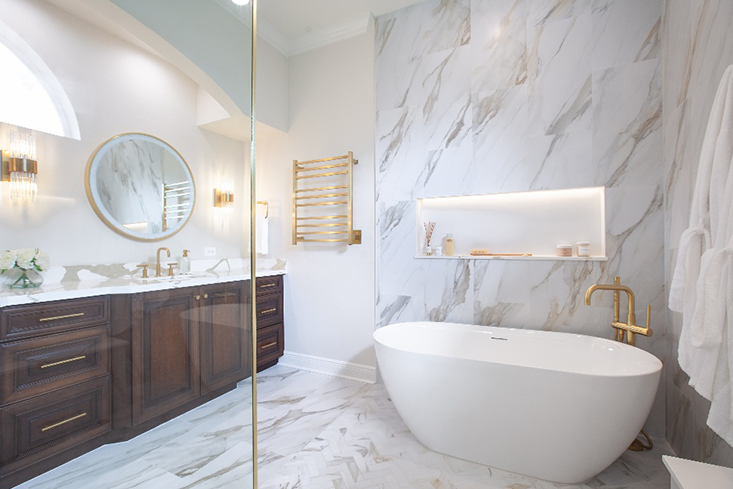
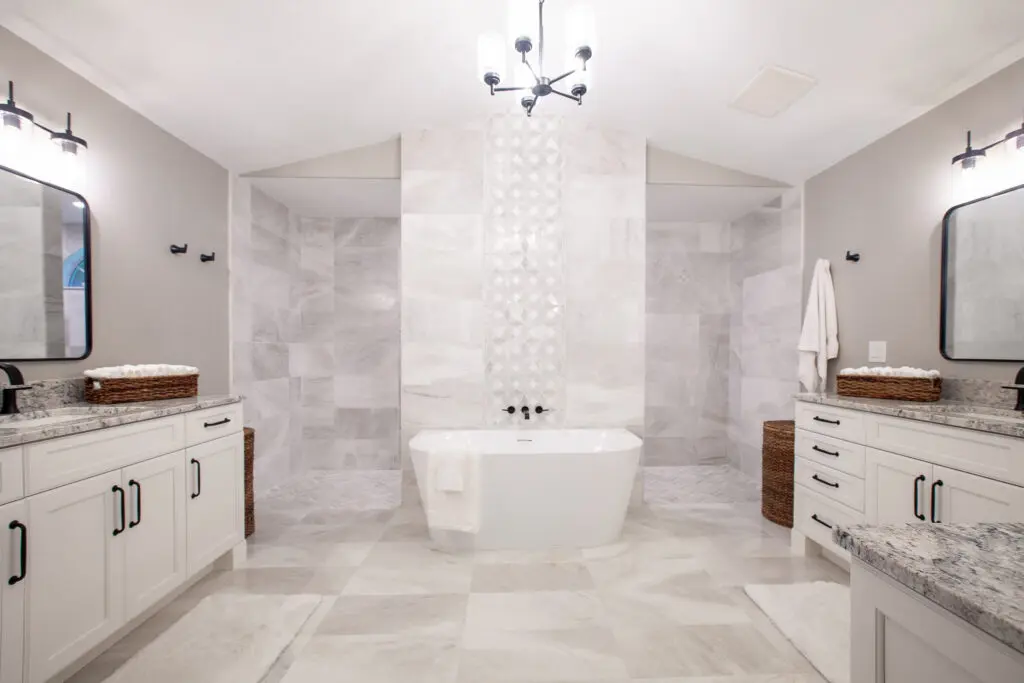
Bathroom Remodels That Boost Resale Value

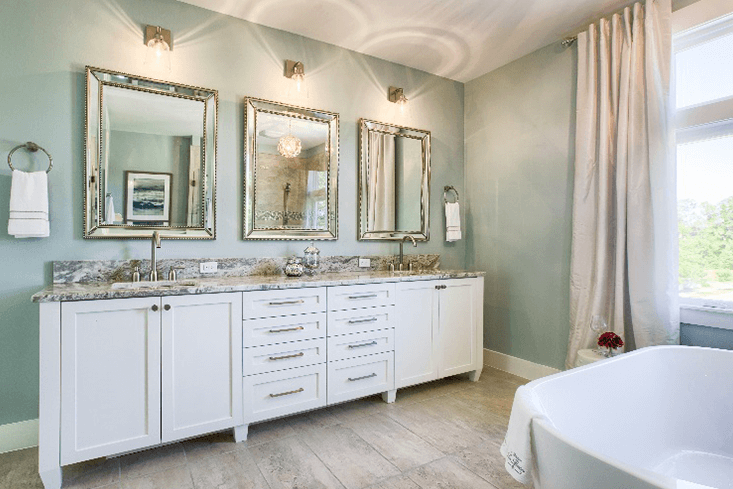
When it comes to home renovations, bathrooms are one of the smartest places to invest. A well-designed bathroom not only adds comfort and style but can also significantly increase your home’s resale value. Here’s how to focus your remodel on updates that buyers will love —and pay for. 1.Prioritize a Timeless Look Trends come and go, but classic, neutral designs appeal to the widest range of buyers. Think cleanwhite or soft gray tiles, simple hardware, and sleek, understated fixtures. Timeless choices help your bathroom feel fresh for years to come. 2.Upgrade Fixtures and Features Swapping out an old, dated vanity, faucet, or light fixture can instantly modernize the space. Opt for quality materials like quartz countertops, brushed metal fixtures, and frameless glass shower doors for a high-end feel without a full gut renovation. 3.Improve Storage Buyers love practical storage. Add recessed medicine cabinets, floating shelves, linen cabinets or a vanity with drawers instead of open shelving. A bathroom that looks good and stays organized is always a selling point. 4.Add a Walk-In Shower If space allows, replacing a bulky tub with a sleek walk-in shower can make the bathroom feel larger and more luxurious. Frameless glass doors are especially popular for maximizing visual space. 5.Focus on Lighting and Ventilation A bright, well-ventilated bathroom is key. Install layered lighting —overhead, vanity, and accent —and ensure you have an efficient exhaust fan to prevent moisture buildup. 6.Don’t Forget the Small Details Even small upgrades —like new mirrors, towel bars, or fresh grout —can make a big difference. These finishing touches help the bathroom feel move-in ready, which is a huge plus for buyers. Final ThoughtA bathroom remodel doesn’t have to be massive to make an impact. Smart, thoughtful upgrades that balance style and function are the key to boosting resale value —and creating a space you’ll love until it’s time to sell. Frequently Asked Questions What bathroom renovations add the most resale value? Updates that appeal to the widest range of buyers — timeless, neutral designs, upgraded fixtures, improved storage, and walk-in showers — consistently boost resale value. Quality materials like quartz countertops, brushed metal fixtures, and frameless glass shower doors offer a high-end feel without a full gut renovation. Should I replace my bathtub with a walk-in shower? If space allows, replacing a bulky tub with a sleek walk-in shower can make the bathroom feel larger and more luxurious. Frameless glass doors are especially popular for maximizing visual space and appeal to buyers. What is the most cost-effective bathroom update for resale? Small but impactful updates — like new mirrors, towel bars, fresh grout, and upgraded vanity lighting — can make a bathroom feel move-in ready at minimal cost. These finishing touches help buyers see the space as polished and well-maintained. Why is ventilation important in a bathroom remodel? Proper ventilation prevents moisture buildup, which can lead to mold and long-term structural damage. Installing an efficient exhaust fan, paired with layered lighting, keeps the bathroom bright, fresh, and buyer-friendly. Updates that appeal to the widest range of buyers — timeless, neutral designs, upgraded fixtures, improved storage, and walk-in showers — consistently boost resale value. Quality materials like quartz countertops, brushed metal fixtures, and frameless glass shower doors offer a high-end feel without a full gut renovation. If space allows, replacing a bulky tub with a sleek walk-in shower can make the bathroom feel larger and more luxurious. Frameless glass doors are especially popular for maximizing visual space and appeal to buyers. Small but impactful updates — like new mirrors, towel bars, fresh grout, and upgraded vanity lighting — can make a bathroom feel move-in ready at minimal cost. These finishing touches help buyers see the space as polished and well-maintained. Proper ventilation prevents moisture buildup, which can lead to mold and long-term structural damage. Installing an efficient exhaust fan, paired with layered lighting, keeps the bathroom bright, fresh, and buyer-friendly.

Bathroom Remodels That Boost Resale Value Read More »

Scroll to Top